Introduction
Talc powder is a naturally occurring mineral composed primarily of magnesium, silicon, and oxygen. It is the softest known mineral, with a Mohs hardness of 1, and is characterized by its smooth, silky texture. Talc is mined from metamorphic rocks and processed into a fine white powder, widely used across industrial, cosmetic, and pharmaceutical applications due to its unique physical and chemical properties.
Molecular Characteristics
- Chemical Formula: Mg₃Si₄O₁₀(OH)₂
- Crystal Structure: Monoclinic, often forming layered or plate-like structures.
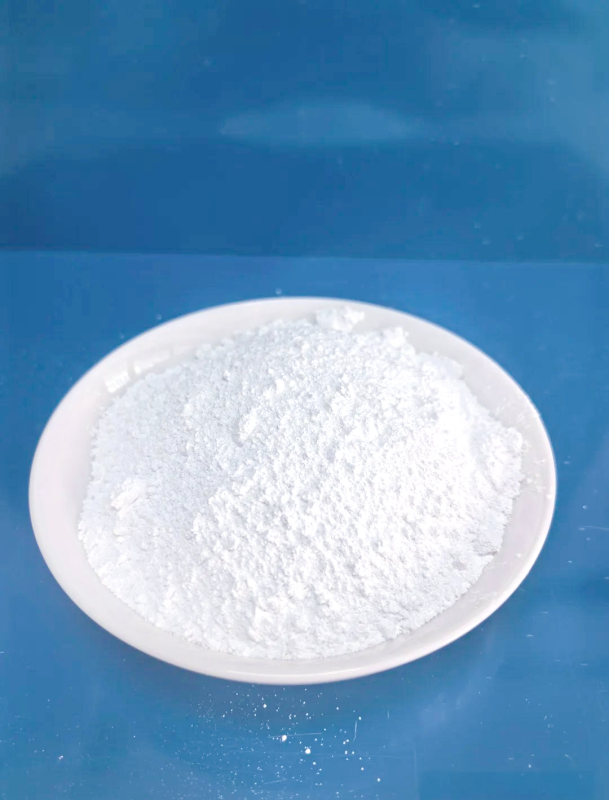
- Appearance: Fine, white to grayish-white powder.
- Texture: Extremely soft, greasy, and hydrophobic (water-repellent).
- Density: Approximately 2.7–2.8 g/cm³.
- Melting Point: Around 1,500°C (anhydrous talc decomposes at high temperatures).
- Stability: Chemically inert, non-reactive with most substances, and resistant to heat, acids, and alkalis.
Composition
Talc is a hydrated magnesium silicate. Its composition may vary slightly depending on geological formation, often containing trace amounts of:
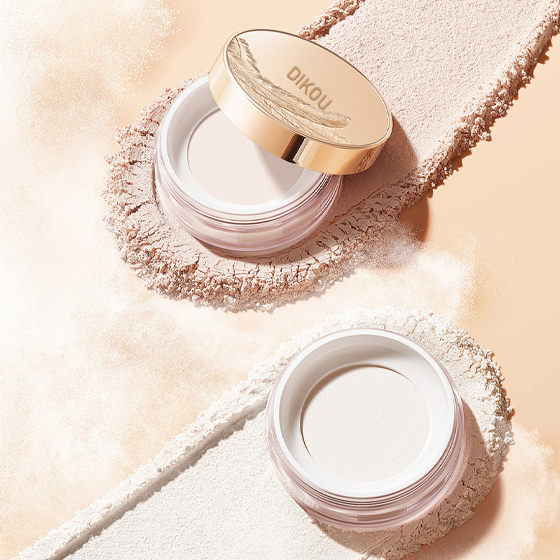
![图片[1]-Talc Powder](https://www.gddikou.com/wp-content/uploads/2026/01/c67f196a5520260106143546.png)
- Primary Components: Magnesium oxide (MgO), silicon dioxide (SiO₂), and water (H₂O).
- Common Impurities: Minerals such as chlorite, magnesite, dolomite, and occasionally asbestos (in some natural deposits, though commercial talc is strictly regulated to be asbestos-free).
Key Properties and Benefits
- Lubricity: Reduces friction and provides smoothness.
- Absorbency: Can absorb oils, moisture, and odors.
- Inertness: Non-toxic, non-irritating, and chemically stable.
- Opacity and Whiteness: Enhances brightness and coverage in products.
- Heat Resistance: Withstands high temperatures without decomposition.
- Adhesion Resistance: Prevents materials from sticking to surfaces.
Industrial Applications
- Cosmetics and Personal Care
- Used in face powders, eyeshadows, and blush for smooth application and texture.
- Acts as a filler, absorbent, and anti-caking agent in products like baby powder and deodorants.
- Pharmaceuticals
- Serves as a glidant and diluent in tablet manufacturing to improve powder flow and compression.
- Used in topical preparations for its soothing and protective qualities.
- Plastics and Polymers
- Functions as a reinforcing filler to improve stiffness, heat resistance, and dimensional stability.
- Reduces friction in polymer processing.
- Paints and Coatings
- Acts as an extender pigment to improve opacity, durability, and brushability.
- Enhances corrosion and weathering resistance.
- Paper Industry
- Used as a filler to increase brightness, opacity, and smoothness of paper.
- Improves ink absorption and print quality.
- Ceramics
- Added to ceramic bodies to enhance thermal shock resistance, strength, and glaze quality.
- Agriculture
- Serves as a carrier for pesticides and fertilizers.
- Helps in dust control and seed coating.
- Food Industry
- Approved as an anti-caking agent (E553b) in products like rice, chewing gum, and table salt.
- Other Applications
- Rubber: Improves processing and product performance.
- Construction: Used in joint compounds, roofing materials, and as a dust suppressant.
- Cable Insulation: Enhances electrical properties and heat resistance.
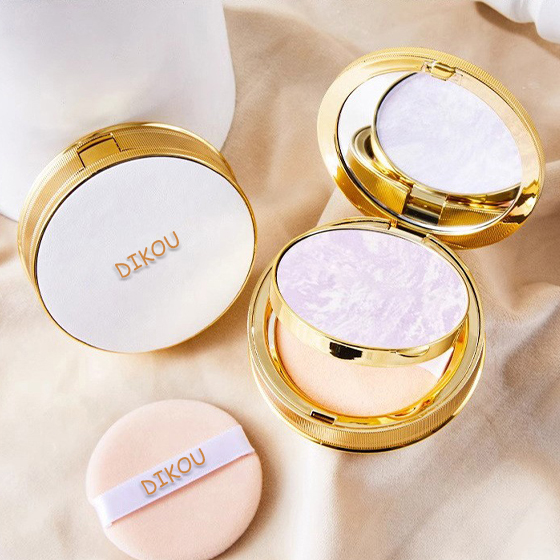
![图片[2]-Talc Powder](https://www.gddikou.com/wp-content/uploads/2026/01/91c1e1389920260106143707.jpg)
Copyright © DiKou. All Rights Reserved.
THE END