Lip gloss is still one of the most attractive entry points into beauty, but in 2026, launching a successful brand takes much more than releasing a shiny product in a cute tube. Today’s lip category sits at the intersection of makeup, skincare, sensorial design, and creator-led commerce. Consumers want products that feel comfortable, look effortless, and fit naturally into the way they discover and shop for beauty online. At the same time, beauty customers are more selective, more value-conscious, and less impressed by hype alone.
That shift creates a huge opportunity for new founders. The brands that win are not simply selling shine. They are building a focused lip experience with a clear identity, strong performance, compliant operations, and a launch strategy designed for modern consumer behavior. If you want to start a lip gloss business in 2026, here is the smarter way to do it.
Start with a niche, not just a product
The biggest mistake new founders make is trying to appeal to everyone. “Lip gloss” is too broad to be a strategy. Before you develop formulas or pick packaging, define your lane. Are you building a treatment-first gloss line for customers who want hydration and shine in one step? A trend-driven brand for Gen Z consumers who love layering, gloss sticks, and social-first launches? Or a polished everyday line built around neutral shades and elevated packaging?
A strong niche gives direction to everything else: formula texture, shade range, brand voice, price point, and marketing style. In a beauty market where consumers increasingly question exaggerated promises, clarity matters. The brand that knows exactly who it serves will always communicate better than the brand that tries to be everything at once.
![图片[1]-How to Start a Lip Gloss Business in 2026: Step-by-Step Guide for Beauty Entrepreneurs](https://www.gddikou.com/wp-content/uploads/2026/04/e538c59b4020260401164106.webp)
Build for the way people wear lips in 2026
The lip category is no longer divided into simple product boxes. Consumers now move easily between glosses, lip oils, stains, treatment balms, gloss sticks, and soft tints depending on mood, finish, and occasion. The most relevant products are often hybrids that combine color and care, which is why founders should think beyond “a lip gloss line” and start thinking about their role inside a customer’s wider lip wardrobe.
Just as important, 2026 lip trends are being shaped more by texture and finish than by one single dominant color story. Vogue’s coverage of 2026 lip trends highlights blurred lips, glassy pouts, modern lip stains, and sheer “your-lips-but-better” looks as key directions in the category. That means the smartest brands are not chasing random shade expansion. They are building a texture story customers can immediately understand.
For many startups, that makes a tighter launch more effective than a huge collection. One hero gloss formula, a focused edit of wearable shades, and one supporting product—such as a liner, treatment gloss, or stain topper—can create a much stronger introduction than twenty shades with no clear point of view. In 2026, curation often feels more premium than excess.
Develop formulas that feel modern, not generic
A good lip gloss in 2026 has to do more than look shiny under studio lights. Consumers expect a comfortable, sensorial experience: smooth glide, non-sticky texture, cushiony shine, flattering pigment, and lips that feel better after wearing the product. Beauty is becoming more health-integrated and more experience-driven, so formula development should focus not only on payoff, but also on feel, ritual, and emotional response.
This is where founders need to think like product strategists, not just trend followers. Ask practical questions. Should your gloss feel plush and lacquered, or lightweight and serum-like? Should it leave a soft tint behind? Should it sit well over liner? Should it fit the blurred-lip movement, the glassy-lip look, or both? The stronger your formula brief, the easier it is to develop something distinctive instead of another forgettable private-label product.
At the same time, product claims must stay credible. In the U.S., FDA says cosmetic claims must be truthful and not misleading, and products marketed with claims about treating disease or affecting the structure or function of the body may be regulated as drugs rather than cosmetics. In other words, a founder should avoid turning trendy marketing language into a regulatory problem. Promise benefits you can support, and back them with proper testing and documentation.
Treat packaging as part of performance
In lip products, packaging is not just branding—it is functionality. The tube, wand, applicator, cap, wiper, and closure all shape how the product is experienced. A beautiful gloss that leaks, dispenses unevenly, or feels flimsy in the hand can kill repeat purchase no matter how good the formula is. That is why strong lip brands design packaging as part of the product system, not as an afterthought.
Packaging also carries more strategic weight in 2026 because consumers increasingly expect beauty brands to think realistically about sustainability. Current packaging discussions in beauty emphasize refillable systems, simplified componentry, mono-material design, and honest communication about what is and is not sustainable yet. For a young lip brand, that may mean choosing durable, travel-friendly, right-sized packaging and reducing unnecessary secondary materials rather than overpromising a “perfectly green” solution.
Choose a manufacturing model that matches your stage
Not every lip gloss business needs full custom development at the beginning. For some founders, a strong private-label base with custom shades, fragrance direction, and packaging is the fastest way to validate demand. For others, a custom formula is essential because the texture, ingredient story, or sensorial identity is the brand itself.
The right decision depends on your positioning, your budget, and how much uniqueness the customer will actually notice at launch. What matters most is choosing a manufacturing partner that can support sampling, stability work, compatibility testing, safety documentation, and consistent scale-up. Product development is not only about creativity; it is also about repeatability, timelines, and risk management. FDA notes that companies marketing cosmetics are responsible for maintaining adequate safety substantiation, and MoCRA also brought stronger requirements around product listing and facility oversight.
Build a brand that feels human
One of the most important beauty shifts heading into 2026 is the move away from over-polished sameness. Mintel’s 2026 beauty outlook points to stronger demand for emotional resonance, sensory experience, and a more human form of beauty expression. This lines up with what we see in lip trends too: products that feel wearable, tactile, expressive, and real rather than artificially perfected.
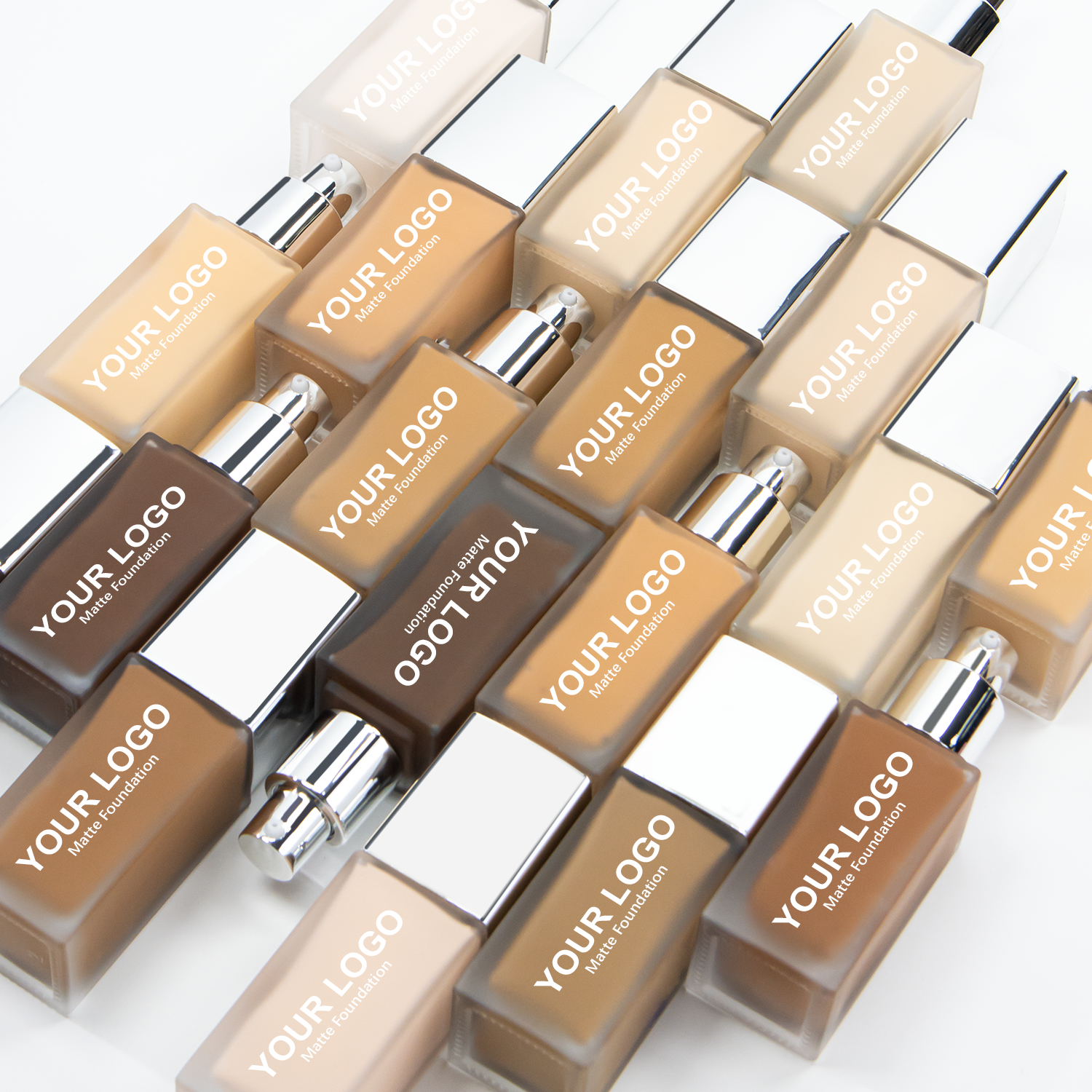
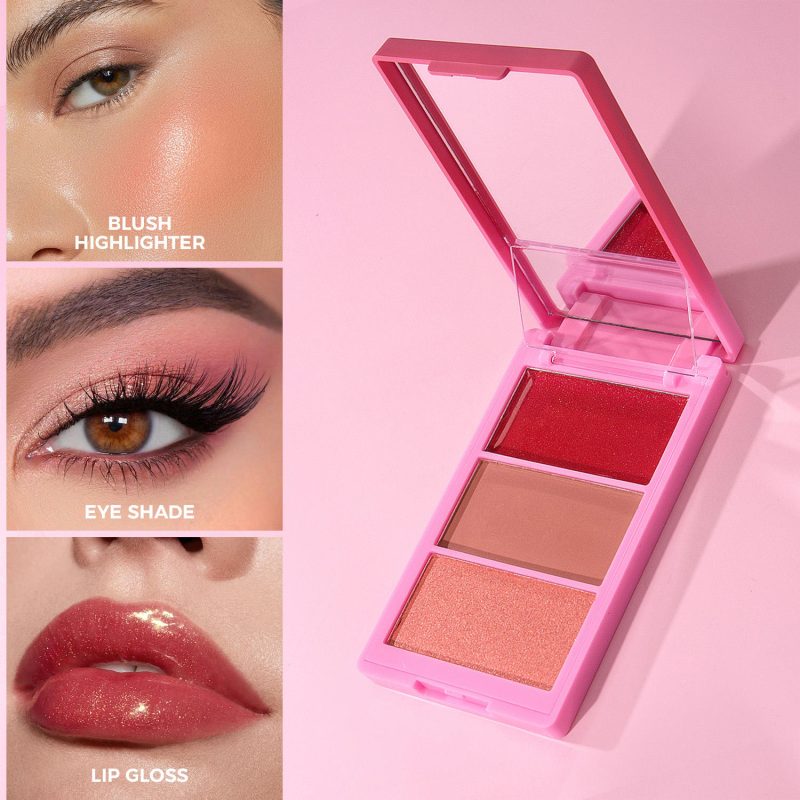
For a lip gloss brand, that means your identity should feel believable. Use real swatches on multiple skin tones. Show texture in natural light. Let product names, visuals, and copy reflect a clear mood. Make your packaging feel intentional in the hand. In 2026, consumers do not just buy performance—they buy a point of view. The most memorable lip brands sell a feeling, whether that is soft luxury, glossy nostalgia, fresh minimalism, or playful self-expression.
![图片[2]-How to Start a Lip Gloss Business in 2026: Step-by-Step Guide for Beauty Entrepreneurs](https://www.gddikou.com/wp-content/uploads/2026/03/f7e92e578120260321103310.jpg)
Launch for social commerce, not just ecommerce
A website is still important, but it is no longer enough. Social platforms are now major discovery and shopping environments for beauty. Shopify notes that U.S. social commerce retail earnings were projected to reach nearly $80 billion in 2025, and sales through social networks were expected to make up more than 17% of total online sales. For beauty founders, that means launch planning should include not only a storefront, but also short-form video, creator seeding, live selling, comment-to-conversion workflows, and content designed to close the gap between discovery and checkout.
This matters especially for lip products, because texture sells best when people can see it in motion. Customers want close-ups, swatches, lip-liner pairings, wear tests, and authentic creator reactions. A modern lip gloss launch should feel like a stream of proof, not a single polished campaign. In beauty, repetition plus credibility often outperforms expensive creative with no trust signal behind it.
Build compliance in from day one
Founders often focus on branding and delay compliance until the end. That is a mistake. In the U.S., MoCRA significantly expanded FDA’s authority over cosmetics, including product listing, safety substantiation responsibilities, and future GMP-related requirements. FDA also regulates cosmetic labeling and watches closely when cosmetic marketing crosses into drug claims. In the EU, cosmetic products must be notified through the Cosmetic Products Notification Portal under Regulation (EC) No 1223/2009 before being placed on the market.
That means your launch checklist should include labeling review, ingredient documentation, claims review, safety files, manufacturing records, and market-specific compliance planning long before your first shipment goes out. Strong operations may not feel glamorous, but they are part of what makes a beauty brand scalable.
Grow through hero products, not noise
After launch, the goal is not to release as many products as possible. The goal is to learn what customers love and expand with discipline. Watch which shades become heroes, which creators drive the best conversions, which bundles improve average order value, and which content angles generate repeat purchase. Then grow around the signals.
![图片[3]-How to Start a Lip Gloss Business in 2026: Step-by-Step Guide for Beauty Entrepreneurs](https://www.gddikou.com/wp-content/uploads/2026/03/2702c3882620260321103306.jpg)
That growth might look like mini sizes, giftable sets, seasonal drops, gloss-and-liner duos, or a treatment-led extension. The beauty market still has room to grow, but McKinsey notes that consumers are increasingly selective and focused on value. The brands that scale best are usually the ones that double down on what works instead of chasing every microtrend at once.
Final Thoughts
Starting a lip gloss business in 2026 is no longer about making a basic shiny product and hoping it goes viral. It is about building a modern lip brand with sharp positioning, strong formula development, packaging that performs, human-centered branding, social-commerce readiness, and compliance built into the foundation. The founders who understand that balance will have a much better chance of turning a trend-led idea into a brand with real staying power.
![图片[4]-How to Start a Lip Gloss Business in 2026: Step-by-Step Guide for Beauty Entrepreneurs](https://www.gddikou.com/wp-content/uploads/2025/12/4962c05b9920251204160349.jpg)
FAQ: How to Start a Lip Gloss Business
How much does it cost to start a lip gloss business?
The cost depends on whether you choose private label or custom formulation, your minimum order quantity, packaging choices, and marketing budget. A small private label launch usually costs less than a fully custom beauty brand launch.
Is private label lip gloss a good option for beginners?
Yes. Private label is often a practical option for new founders because it allows faster testing, lower development risk, and a shorter path to market.
What do I need to launch a lip gloss brand?
You typically need a product concept, brand identity, manufacturer, packaging, compliant labels, product documentation, ecommerce setup, and a marketing plan.
What are the biggest lip gloss trends in 2026?
Some of the biggest trends include glassy lips, blurred lips, sheer color, hydrating formulas, and stain-inspired hybrid lip products.
How do I market a lip gloss business?
Focus on short-form video, creator seeding, swatch content, user-generated content, product storytelling, and conversion-friendly ecommerce pages.