How to Choose the Right Cosmetic Packaging
When consumers first encounter a cosmetic product, the packaging is often the initial impression they receive. Beyond simply holding the product, effective cosmetic packaging protects the formula, communicates the brand’s identity, and influences purchasing decisions. Choosing the right packaging requires balancing protection, aesthetics, user experience, cost, and sustainability. This guide walks through the key factors to consider for creating packaging that is both functional and visually appealing.
The Importance of Cosmetic Packaging
![图片[1]-How to Choose The Right Packaging of Cosmetic](https://www.gddikou.com/wp-content/uploads/2026/01/37200aefb320260121154053-634x800.jpg)
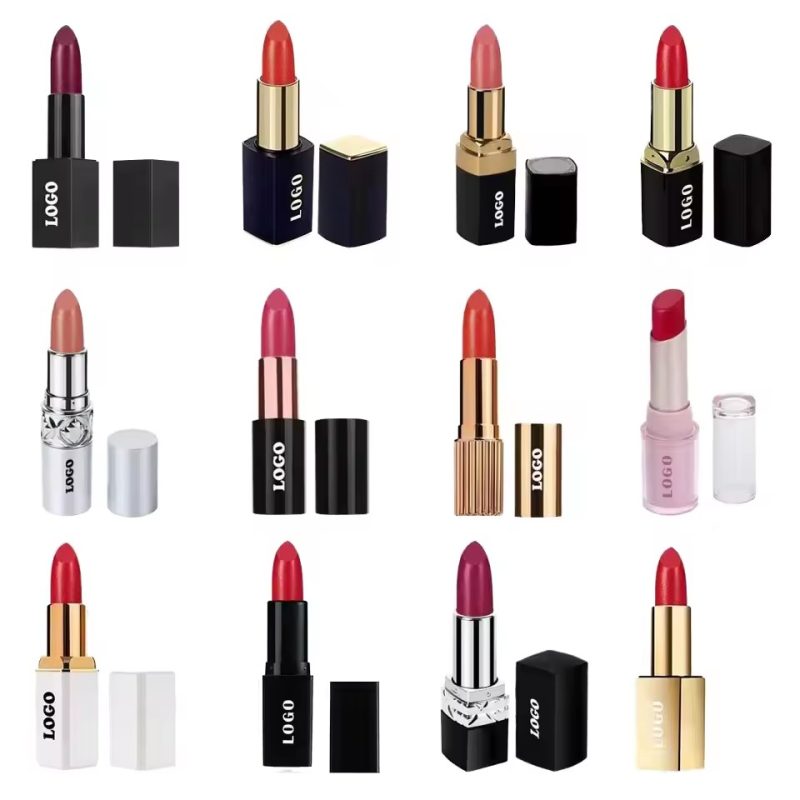
Cosmetic packaging plays several critical roles. First, it provides essential protection and safety. It shields the product from physical damage, light exposure, oxidation, and contamination during shipping, storage, and daily use, helping maintain the product’s quality and shelf life.
Second, packaging serves as a powerful brand communication tool. A well-designed package can instantly convey the brand’s positioning—whether luxurious, minimalist, youthful, or eco-conscious—and help it stand out on crowded shelves or online. Research indicates that packaging influences over 60% of consumers when discovering new brands.
Third, the visual and tactile qualities of the packaging shape consumer perception of the product’s quality. Minimalist designs may appeal to sophisticated buyers, while vibrant or innovative packaging attracts younger audiences.
Finally, in today’s market, sustainability has become a key factor. Using eco-friendly materials and thoughtful designs signals a brand’s environmental responsibility, enhancing its reputation and appealing to conscious consumers.
![图片[2]-How to Choose The Right Packaging of Cosmetic](https://www.gddikou.com/wp-content/uploads/2026/03/ff1546d74420260326110645.jpg)
Types of Cosmetic Packaging
Cosmetic packaging is typically divided into three layers, each serving a specific purpose:
- Primary packaging: The container that directly touches the product, such as bottles, jars, tubes, or droppers.
- Secondary packaging: Outer boxes or cartons that display branding, information, and visual identity.
- Tertiary packaging: Shipping cartons used for bulk transport and warehousing.
Successful packaging achieves a harmonious balance between practicality and aesthetic appeal across these layers.
Key Considerations When Choosing Cosmetic Packaging
Different cosmetic textures demand different packaging solutions:
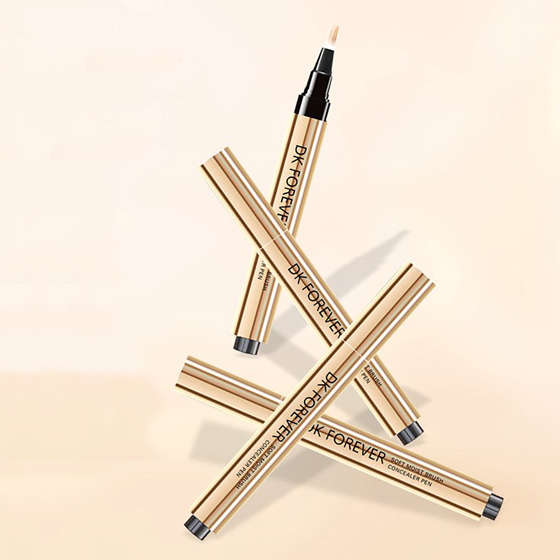
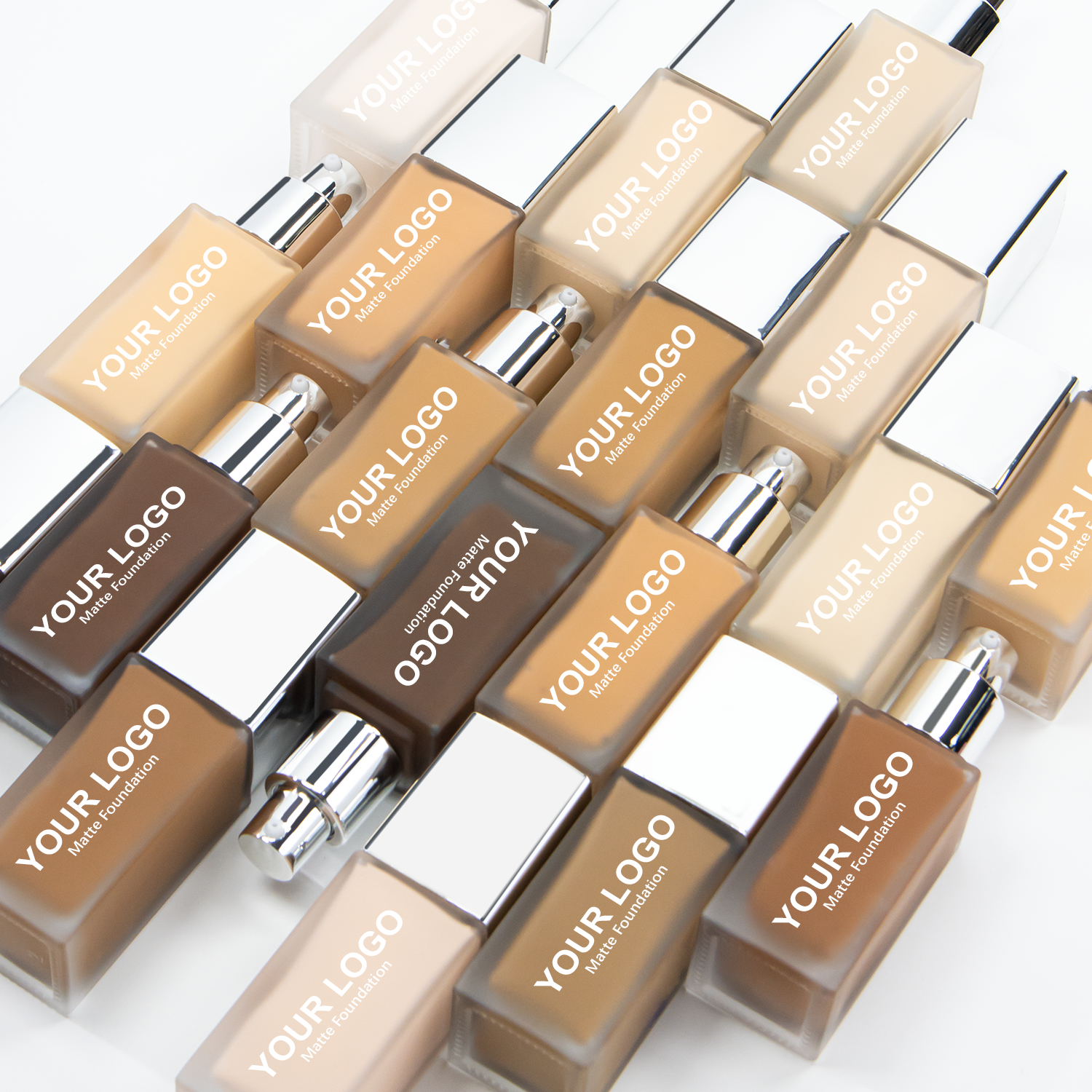
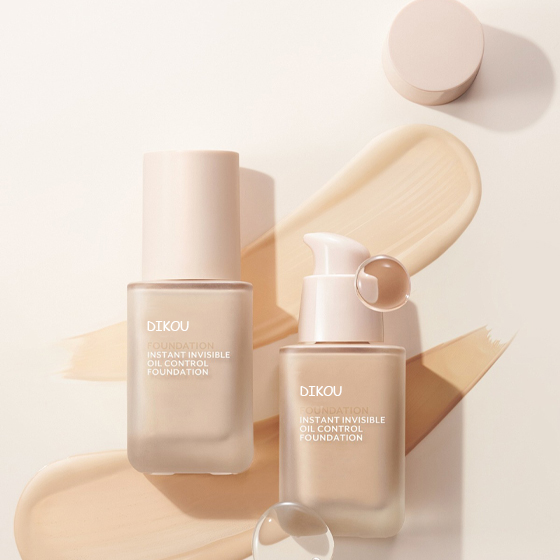
- Liquids (like foundations, serums, or primers) need tightly sealed, leak-proof, and often light-resistant containers such as dropper bottles or pumps.
- Creams and pastes (face creams, eye creams, or lotions) benefit from airless pumps, vacuum packaging, or tubes to minimize oxidation and contamination.
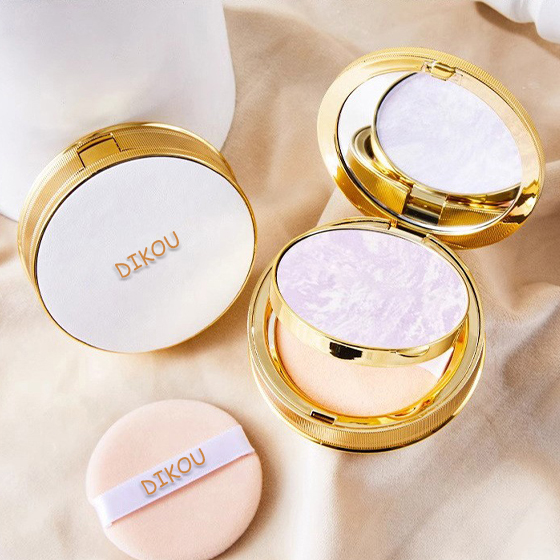
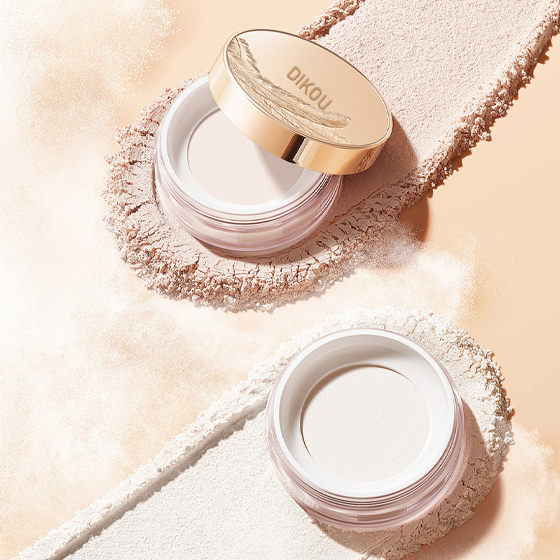
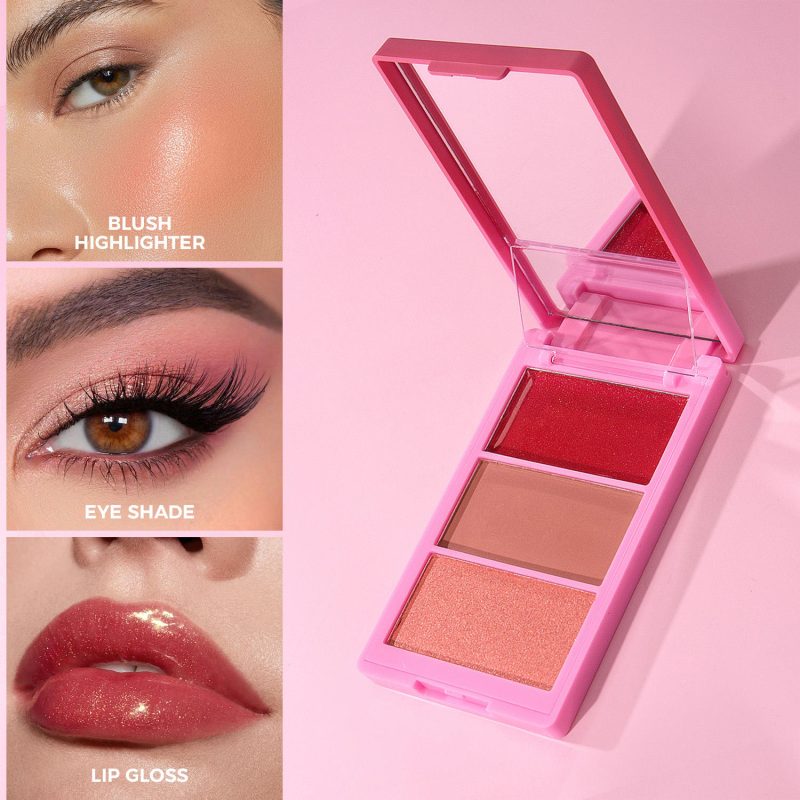
- Powders (loose powders or blushes) are commonly housed in compact cases with sifters or pressure plates for controlled dispensing.
Other important factors include user experience—how easy and enjoyable the package is to open, hold, dispense, and carry—and cost along with supply chain feasibility. Brands must evaluate material costs, minimum order quantities (MOQ), production timelines, and overall budget to ensure the packaging is commercially viable.
Common Cosmetic Packaging Materials
Selecting the right material is crucial for performance, appearance, and environmental impact. Here is an analysis of widely used options:
- Plastic (PET, PP, ABS): Lightweight, versatile, and cost-effective. It is commonly used for bottles, tubes, and mascaras. However, traditional plastics can be difficult to recycle and may deter eco-aware customers.
- Glass: Offers premium texture, excellent chemical stability, and a high-end feel. It is ideal for serums, perfumes, and creams but is heavier and more prone to breakage.
- Metal (aluminum or stainless steel): Provides strong protection against light and oxidation and is highly recyclable. It works well for sprays, aerosols, and certain creams, though it tends to be more expensive.
- Paper and paperboard: Biodegradable and highly customizable for printing logos and designs. It is perfect for secondary packaging like outer boxes and gift sets, but it lacks strong water resistance on its own.
Emerging options such as post-consumer recycled (PCR) plastics, bio-based materials, and mono-material designs are gaining popularity for improving recyclability while maintaining functionality.
![图片[3]-How to Choose The Right Packaging of Cosmetic](https://www.gddikou.com/wp-content/uploads/2026/03/4b0bcadfd220260326111612.jpg)
Five Steps to Choosing the Ideal Cosmetic Packaging
Follow this practical roadmap to make informed decisions:
- Identify product characteristics: Determine the formula type (liquid, cream, powder) and specific needs like light protection, leak-proofing, or airless dispensing.
- Define brand direction: Decide whether the packaging should feel luxurious, minimalist, playful, or strongly sustainable to align with your target audience and brand values.
- Evaluate materials and budget: Weigh the pros and cons of different materials against cost, sustainability goals, and production realities.
- Prototype and test: Create samples to check sealing performance, user-friendliness, durability during shipping, and overall experience.
- Optimize before production: Gather feedback from real users or focus groups and refine details for the best final result.
Working with a supplier that offers integrated design, mold-making, and manufacturing services can streamline the process and ensure consistent quality.
Final Thoughts
Choosing the right cosmetic packaging is much more than a technical decision—it is an opportunity to tell your brand’s story and build lasting connections with consumers. By carefully considering protection needs, material properties, user experience, budget, and environmental impact, brands can create packaging that not only preserves the product but also drives sales and loyalty.
In an era where consumers value both beauty and responsibility, investing in smart, sustainable packaging helps your cosmetics stand out while contributing to a more eco-friendly future. Whether launching a new line or refreshing existing products, thoughtful packaging design remains one of the most powerful tools for success in the competitive beauty industry.