
Most beauty founders spend months searching for a makeup manufacturer. They send inquiry emails that go unanswered, collect inconsistent quotes, and waste weeks talking to suppliers that aren’t even a fit for their product category.
That process isn’t “part of building a brand.” It’s usually the result of approaching manufacturing without a clear framework.
Finding the right makeup manufacturer is the decision that determines whether your beauty brand moves forward smoothly or gets stuck in development limbo. The wrong partner leads to unstable formulas, delayed launches, inconsistent quality, and packaging problems that quietly drain your budget. The right manufacturer makes everything else easier—product development, compliance, scaling, and customer retention.
This guide breaks down exactly how to find a reliable makeup manufacturer in 2026, what to prepare before contacting factories, how to evaluate suppliers realistically, and what private label beauty brands should pay attention to before placing a production order.
As a professional color cosmetics manufacturer with more than 20 years of experience, Dikou Cosmetics Manufacturer has worked with brands across North America, Europe, Southeast Asia, and the Middle East. The patterns behind successful launches are surprisingly consistent—and so are the mistakes that slow new brands down.
This is the complete process.
What You Need Before Contacting Any Makeup Manufacturer
The fastest way to get ignored by a manufacturer is to reach out without clear product direction.
Beauty manufacturers receive inquiries every day from founders who say they want to “start a makeup brand” but cannot explain what products they want, who their target market is, or what kind of positioning they are aiming for. Manufacturers cannot quote accurately—or develop effectively—without that information.
Before contacting any makeup manufacturer, prepare your product concept properly.
The first thing you need is a clear product vision. Are you launching everyday minimalist makeup? Full-glam products for the Middle Eastern market? Vegan makeup for Gen Z consumers? Long-wear complexion products for humid climates? These details shape formulation strategy from the beginning.
You should also know your approximate MOQ expectations. Minimum order quantities vary significantly depending on product type, packaging complexity, and formulation customization. In private label cosmetics, MOQ is one of the first questions manufacturers will ask because it determines production feasibility.
Packaging direction matters earlier than most founders expect. Even simple references—such as preferred finishes, component style, or branding inspiration—help manufacturers understand your positioning faster.
Budget expectations are equally important. Many startup brands underestimate how much packaging influences total production cost. In color cosmetics, packaging can sometimes account for nearly half of the final unit cost, especially for custom molds or luxury components.
The more prepared you are before reaching out, the faster productive conversations begin.
The Makeup Manufacturing Industry in 2026
Before searching for suppliers, it helps to understand the market you are entering.
The global cosmetics industry continues to expand steadily, driven by rising beauty consumption, social commerce, and consumer demand for multifunctional products. According to Fortune Business Insights, the cosmetics market is projected to exceed USD 664.17 billion over the next several years, with color cosmetics remaining one of the strongest-performing categories.
Private label beauty manufacturing is growing particularly fast.
More brands are moving away from owning production facilities and instead partnering with specialized makeup manufacturers who already have established R&D systems, compliance knowledge, and scalable production capacity. This allows brands to launch faster while reducing operational risk.
Consumer behavior is also changing. Makeup buyers now expect products to deliver more than appearance alone. Long wear, skincare benefits, vegan claims, halal compatibility, sustainable packaging, and ingredient transparency are becoming standard expectations in many regions.
This shift is changing what brands need from a makeup manufacturer. Factories are no longer simply producing formulas—they are expected to provide market insight, compliance support, formulation guidance, and packaging coordination.
That is why choosing the right manufacturer matters more now than it did five years ago.
How to Find a Makeup Manufacturer: 5 Common Methods
There is no single way to find a makeup manufacturer in the USA or globally. Different methods work depending on your timeline, budget, and level of experience.
Some founders begin with Google searches, typing phrases like “private label makeup manufacturer USA” or “OEM cosmetics factory.” While this approach can produce options, response rates are often inconsistent. Many factories receive hundreds of inquiries monthly and prioritize brands with clear project details.
Trade shows remain another common route. Events such as Cosmoprof, Makeup in Los Angeles, and beauty supply expos allow brands to meet manufacturers face to face. This helps with relationship-building and product evaluation, although travel costs and scheduling can slow the process.
Referrals from other beauty founders are often the most reliable source of manufacturer leads. A recommendation from a brand already producing successfully gives insight that websites alone cannot provide—communication quality, consistency, lead times, and problem-solving ability.
B2B manufacturing directories have also become more useful in recent years. Platforms showcasing verified suppliers reduce research time and help brands compare manufacturers by specialization, certifications, and production capabilities.
Increasingly, brands are also working directly with overseas manufacturers that serve the US market. This has become especially common in color cosmetics, where experienced manufacturers in Asia can provide stronger formulation flexibility, broader packaging resources, and more competitive scaling opportunities.
Many US beauty brands today develop products with overseas makeup manufacturers while maintaining local warehousing or fulfillment operations domestically.
What to Look for in a Makeup Manufacturer
Not every factory is the right fit for every beauty brand.
One of the first things to evaluate is category specialization. A manufacturer experienced in skincare is not automatically strong in color cosmetics. Makeup production involves different formulation challenges, pigment systems, texture balancing, and packaging compatibility.
Ask what product categories the manufacturer works on most frequently. Foundations, lip products, eye makeup, pressed powders, and cream formulations all require different technical expertise.
Formulation capability matters just as much as production scale.
Some factories mainly offer stock formulas with minimal customization. Others provide full OEM and ODM development, allowing brands to adjust texture, finish, shade range, ingredient profile, and performance.
Communication quality is another major indicator.
A manufacturer who responds clearly during sampling usually communicates clearly during production. If emails are vague, timelines constantly shift, or questions go unanswered early on, those issues rarely improve later.
Pay attention to regulatory understanding as well.
A reliable makeup manufacturer should understand FDA cosmetic requirements, EU compliance standards, ingredient restrictions, labeling regulations, and emerging trends like vegan or halal certification requirements.
This is especially important if you plan to sell internationally.
Understanding Different Makeup Manufacturing Models
Not all makeup manufacturers operate the same way.
Private label manufacturing is typically the fastest route for emerging beauty brands. Manufacturers provide pre-developed formulas that can be customized with your branding and packaging. This reduces development time and lowers upfront costs.
OEM manufacturing allows more customization. Brands usually bring product concepts or target performance requirements, while the manufacturer handles formulation and production.
ODM manufacturing goes further by involving manufacturers in both formulation and product innovation. This is common for brands looking to develop unique textures or trend-driven products.
Full-service manufacturers manage almost everything—from formula development and packaging sourcing to filling, compliance support, and shipping coordination.
For many startup and mid-sized brands, working with a full-service makeup manufacturer simplifies the process significantly.
Why Many Beauty Brands Work With Overseas Manufacturers
There was a time when many US brands hesitated to work with overseas cosmetic manufacturers. That perception has changed dramatically.
Experienced makeup manufacturers in China, South Korea, and other Asian production hubs now operate highly advanced facilities with strong R&D systems and international compliance capabilities.
China, in particular, has become one of the world’s leading private label makeup manufacturing centers due to its packaging ecosystem, formulation flexibility, and scalable production infrastructure.
For brands, this often means shorter development timelines, wider packaging choices, and stronger cost efficiency compared to smaller domestic production networks.
The key is choosing manufacturers with export experience and established quality systems—not simply choosing based on price alone.
How to Vet a Makeup Manufacturer Before Production
Never move directly into bulk production without proper testing.
Sampling is where manufacturers reveal how they actually operate.
A good manufacturer will provide realistic development timelines, clear revision processes, and transparency about formulation limitations. Delays can happen in cosmetics development, but communication quality during those delays tells you a great deal about the partnership.
Evaluate samples carefully under real-world conditions.
How does the product wear after several hours? Does the foundation oxidize? Does the lipstick bleed? Does packaging feel stable and aligned with your positioning?
This stage is not just product testing—it is manufacturer testing.
You should also ask about ingredient traceability, batch consistency systems, and quality control procedures. Manufacturers with mature systems are usually far more reliable once production scales.
Why Long-Term Manufacturing Relationships Matter
The best beauty brands rarely switch manufacturers constantly.
Strong manufacturing relationships improve consistency, speed up development, and reduce operational friction over time. Manufacturers who understand your brand positioning can proactively recommend packaging updates, formula improvements, and trend opportunities before competitors react.
This becomes especially valuable as trends move faster.
In 2026, social media-driven beauty cycles are compressing product timelines dramatically. Brands that can develop and launch quickly hold a major advantage.
That speed is difficult to achieve without a manufacturing partner who already understands your business.
Why Brands Choose Dikou Cosmetics Manufacturer
At Dikou Cosmetics Manufacturer, we have spent more than 20 years helping global beauty brands develop scalable color cosmetics products through private label and OEM solutions. Our strength is built on real manufacturing scale and modern systems—not just promises.
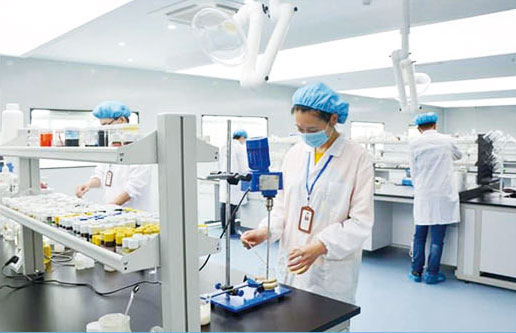
Our production base covers over 80,000 square meters, featuring fully modernized intelligent manufacturing workshops. These advanced facilities integrate automated production lines, precision filling systems, and real-time quality monitoring, ensuring consistent output even at high volumes.
We are committed to sustainable manufacturing. Our factory is equipped with a complete solar clean energy supply system, significantly reducing carbon emissions while maintaining stable, high-efficiency operations year-round.
Certifications are comprehensive and up-to-date. Dikou holds ISO quality management certifications, FDA-compliant production standards, and Halal certification, along with other international compliance credentials. This allows us to support brands targeting the US, Europe, Middle East, and Southeast Asian markets with confidence.
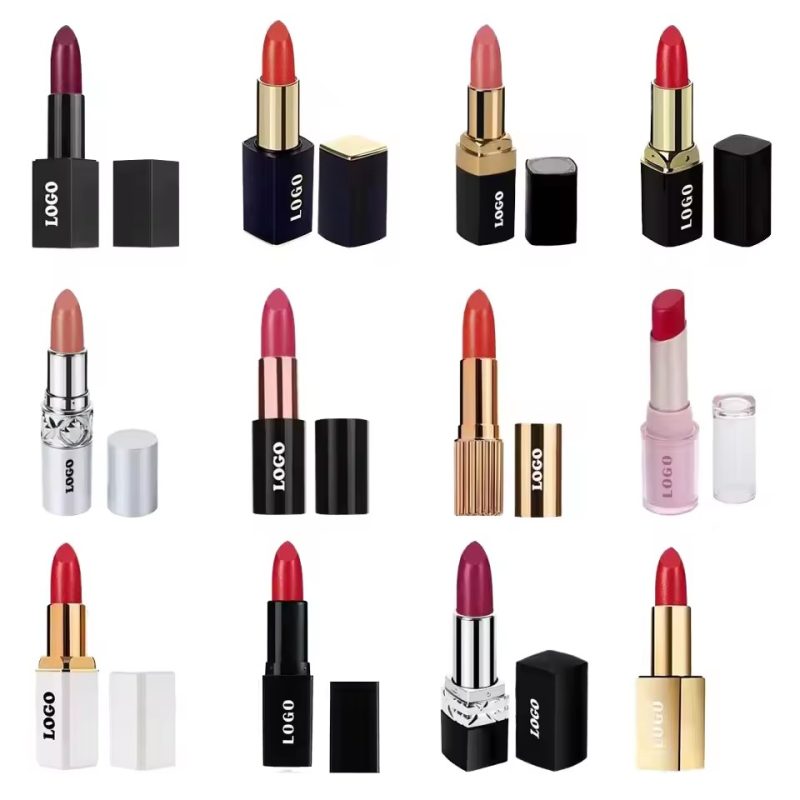
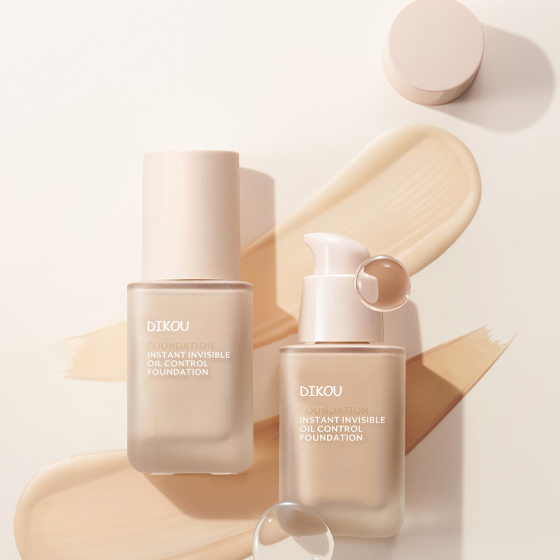
Our experience covers foundations, lip products, eye makeup, pressed powders, vegan makeup, halal-compatible formulations, and trend-driven collections for multiple international markets.
More importantly, we understand that manufacturing is not just about filling products into packaging.
Brands today need guidance on formulation trends, packaging practicality, compliance requirements, and regional consumer preferences. Whether a client is targeting North America, Southeast Asia, the Middle East, or Europe, successful product development requires understanding how makeup is actually used in those markets.
That perspective—combined with large-scale intelligent production capacity, clean energy systems, and full international certifications—shapes everything we do, from R&D to production planning and long-term partnership support.
Conclusion
Finding the right makeup manufacturer in 2026 is not about sending the most emails or collecting the cheapest quotes.
It is about finding a manufacturing partner who understands your product category, your market positioning, and your long-term growth goals—and who has the real factory scale, technology, and certifications to deliver.
The beauty industry is more competitive than ever, but it is also full of opportunity for brands that move strategically and build with the right systems from the beginning.